open menu
close menu
Gaza
Settler violence
Iran war
Israeli election
The +972 Podcast
Newsletter
close menu
B696146A-7C75-40FC-8B38-383B61520B38
Created with sketchtool.
SUPPORT US
Topics
Gaza
Settler violence
Iran war
2026 Israeli election
The +972 Podcast
About
Our writers
The +972 Podcast
Contact us
Local Call
SUPPORT US
Follow us
twitter
facebook
instagram
threads
bluesky
Developed by
RGB Media
Powered by
Salamandra
zochrot
facebook
email
twitter
link
What a real ‘day after’ for Gaza could look like
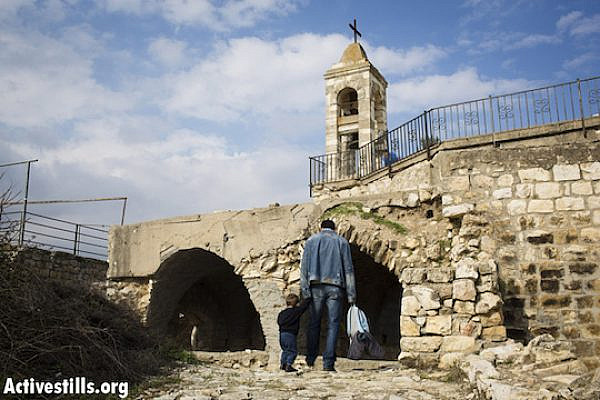
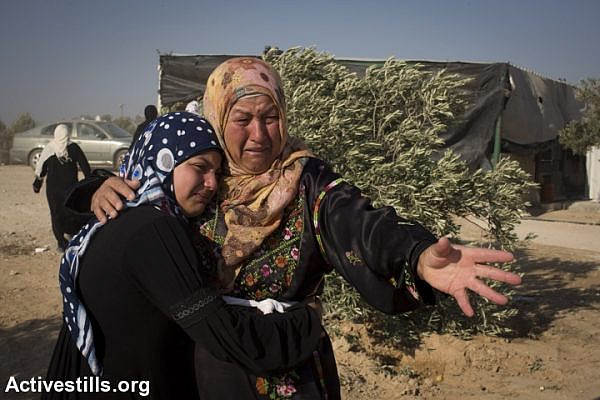
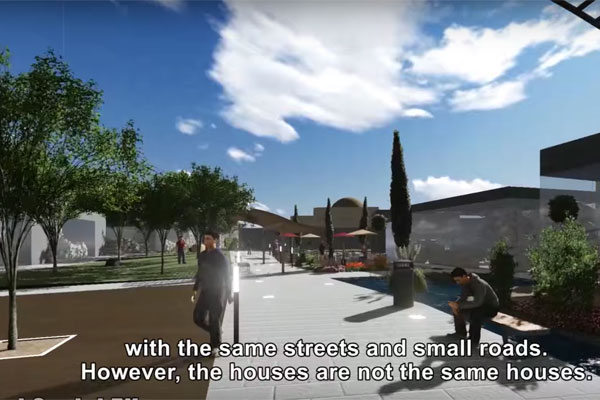
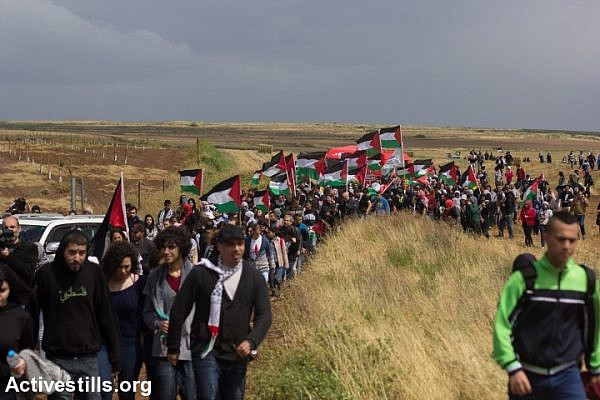
Many of those displaced by the genocide are already Nakba refugees. Activists are mapping out how they could return to their original homes from pre-1948.
By
Yahav Erez
April 22, 2026
The Israeli left has broken the Nakba taboo. Will the right of return be next?
The past year has seen many left-wing Israeli groups looking beyond the occupation to confront the legacies of 1948, but they remain divided over redressing the exile of Palestinian refugees through return.
By
Ben Reiff
June 23, 2022
PODCAST: The Jewish Israelis helping make Palestinian return a reality
What do Jewish Israelis think about the right of return for Palestinian refugees? The answer is not what you might expect.
By
Henriette Chacar
May 29, 2020
Subscribe to The Landline
+972's weekly newsletter
Sign up
Error message after subscribing form
Latest
Remembering Hava Keller, a pioneer in the anti-occupation struggle
Hava Keller, who died at the age of 90 this week, was one of the few Israelis who spoke publicly about her role in the Nakba, and was at the heart of several groundbreaking anti-occupation and feminist movements.
By
Oren Ziv
January 2, 2020
WATCH: Returning to the site of the Deir Yassin massacre
Every year, to mark the Nakba, Israeli organization Zochrot organizes a tour returning to the site of Deir Yassin, where Zionist militias massacred over 100 people in 1948. Today, the Givat Shaul neighborhood of Jerusalem and a psychiatric hospital stand in its place. Not everyone is happy about the tours.
By
Social TV
May 31, 2018
Looted from Beirut 35 years ago, now on display in Tel Aviv
‘Looted and Hidden’ digs through the archive of films taken by the Israeli army in 1982, and shines light on more property stolen by Israel: the history of Palestinian cinema. Rare images from the archive of Palestinian films and photographs, documenting decades of Palestinian history from before 1948 and after the Nakba, are finally seeing…
By
Rami Younis
December 4, 2017
Yes, the right of return is feasible. Here’s how
Seventy years after the violent displacement of hundreds of thousands of Palestinians, it is time to undo the injustice and to enable whoever desires to return as equal citizens to do so, while respecting the rights and identities of all who live in Israel-Palestine. By Tom Pessah (translated by Yoni Molad) For millions of Palestinians worldwide, the right…
By
Haokets
November 7, 2017
Civil society groups join forces to protect freedom of speech
Dozens of civil society, feminist, and anti-occupation groups form the ‘Council for the Protection of Freedoms’ to fight back against the government’s and public’s attacks against freedom of expression. Representatives from over 30 civil society organizations gathered on Friday in Nazareth for the founding conference of the “Council for the Protection of Freedoms.” The council was…
By
Haggai Matar
May 13, 2017
WATCH: Israeli tours teach about the Nakba
Some 700,000 Palestinians fled or were expelled from their homes in the 1948 war that led to Israel’s establishment. One organization is taking Israelis to visit the ruins of the abandoned villages, to learn about the Palestinian ‘Nakba,’ or tragedy. Read more about Nakba remembrance: Turning entire Palestinian villages invisible How we learned to forget…
By
Social TV
November 23, 2016
How we learned to forget the villages we destroyed
‘Erased from Space and Consciousness’ is the product of years of meticulous research to raise awareness of the hundreds of villages Israel destroyed during and following the 1948 war. But is awareness enough to remedy the injustices of the past? By Tom Pessah Kadman, Noga: Erased From Space and Consciousness – Israel and the Depopulated Palestinian Villages…
By
Haokets
October 3, 2016
How colonialism and climate change displace the Negev’s Bedouin
A new book examines the ways in which Israel’s policies of displacement in the Negev are also drastically changing the environment where hundreds of thousands live. By Tom Pessah What do you think of when you think of a desert? An area with little precipitation, mostly uninhabited except perhaps by nomads? An empty place…
By
+972 Magazine
March 14, 2016
This land has been here longer than you and me
Even if we can’t accept each other’s historical narratives, it is still possible to acknowledge that there are both Israelis and Palestinians living here today. By Alex Stein MK Anat Berko (Likud) kicked off a storm in the Knesset last week when she pointed out that Arabic doesn’t have a ‘P’ sound, meaning that Palestinians…
By
+972 Magazine
February 13, 2016
WATCH: 3D modeling helps visualize Palestinian right of return
For three years, a group of young Palestinian citizens of Israel has been meeting in order to imagine and plan their return to the destroyed villages from which their parents and grandparents were expelled. The project they initiated, “Udna” (“Return”), aims to give the younger generation an awareness of the Nakba, and to create actual…
By
Social TV
January 9, 2016
Most Read
Day
Week
Month
‘Lavender’: The AI machine directing Israel’s bombing spree in Gaza
Eisenkot is trying to outflank Netanyahu on the right. It’s a failed strategy
Why Smotrich still defines the horizon of Israeli politics
Jewish Israelis must do more than stand together with Palestinians
Why ‘NAZA’ terrifies Israel's liberal elite
‘Lavender’: The AI machine directing Israel’s bombing spree in Gaza
Days away from Israeli elections, a ‘sour mood’ pervades the Haredi street
‘We’ve paid the price for war. We haven’t yet reaped the fruits of peace’
Why ‘NAZA’ terrifies Israel's liberal elite
Israel’s far right has unprecedented power. Why isn’t it satisfied?
‘Lavender’: The AI machine directing Israel’s bombing spree in Gaza
Why ‘NAZA’ terrifies Israel's liberal elite
Debunking Israel’s latest list of ‘terrorist’ journalists in Gaza
A restored history of Jewish anti-Zionism — and the loss it cannot repair
‘The Gaza Holocaust won't be forgotten’: An Israeli musician screams into the void
Subscribe to The Landline
+972's weekly newsletter
Sign up
Popup close